The Science of Roof Drainage: Ensuring Longevity Through Efficient Water Management May 18, 2026
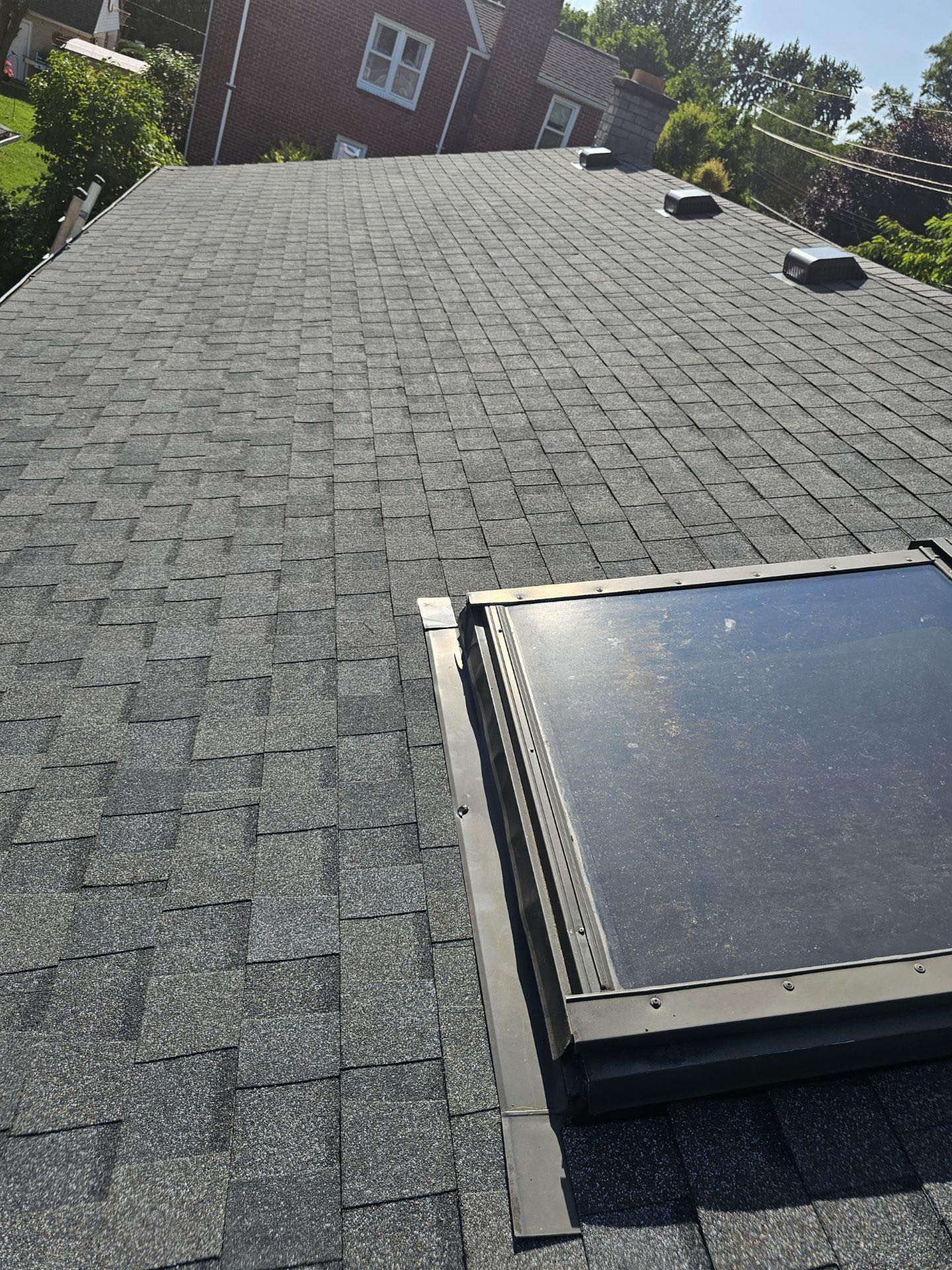
The foundation of effective roof drainage starts with an understanding of your roof’s design and structure. Most roofs are constructed with a slight pitch or slope. This ensures that water naturally flows towards designated drainage points. These slopes are critical because standing water can lead to moisture infiltration, which can compromise the structural integrity of both residential and commercial roofs.
Gutters are a vital component of the roof drainage system. They collect rainwater from the edge of the roof and channel it away from the building’s foundation. Without properly functioning gutters, water can accumulate around the base of a building, leading to soil erosion, basement flooding, and even structural damage. Regular maintenance, including the removal of debris, is essential to ensure gutters remain effective.
Downspouts complement gutters by directing water from the gutters to the ground. It’s crucial to ensure that downspouts are cleared, allowing the free flow of water. Additionally, the points where downspouts deposit water should be strategically positioned to prevent pooling near the building’s foundation. This part of the roof drainage system is often underestimated but plays a significant role in preventing water damage to your home.
For flat or low-sloped roofs, the challenge of water drainage is more pronounced. These types of roofs require specialized drainage solutions such as internal drains, scuppers, or even advanced systems like siphonic drainage. Internal drains collect water and channel it through pipes running internally through the building, which offers a clean aesthetic and efficient drainage. Scuppers are outlets placed along the edge of the roof that expel water to the outside. Choosing the correct system for your specific roof type is essential and can be easily managed with the expertise of roofing professionals like those at Contractors Roofing.
One often overlooked aspect of roof drainage is the role of roofing materials. Some materials inherently facilitate better drainage. For instance, metal roofs have a smoother surface that tends to shed water more efficiently compared to certain types of shingles. Understanding the properties of your roofing material can aid in optimizing your roof drainage system.
Proper roof drainage does not just protect the roof itself but also enhances the efficiency of the building’s overall environmental management. By efficiently disposing of water, the risk of leaks and subsequent damage to interior spaces is minimized, reducing maintenance costs and prolonging the life of the roof.
In conclusion, devising an effective roof drainage system is a combination of understanding your roof’s design, choosing the right components like gutters and downspouts, and regularly maintaining these systems. At Contractors Roofing, we are committed to providing expertise and solutions tailored to meet your roofing needs. Prioritizing roof drainage is not an option; it’s a necessity for ensuring the longevity and durability of your property. If you have concerns about your roof’s drainage or require a professional assessment, reach out to us and let our team help ensure your roof stands strong against the elements for years to come.
/filters:no_upscale()/filters:format(webp)/media/48069be5-62a6-4532-8dd7-8b5d1f1029cc.jpeg)