The Impact of Climate on Roofing Materials: Choosing the Right Solution for Your Region Jul 08, 2026
When contemplating roofing materials, climate considerations cannot be overstated. Whether you live in a region plagued by heavy snowfall, strong winds, or relentless sun, each affects roofing materials differently. In colder climates, for instance, the weight of snow and ice accumulation can be significant. Thus, durability and insulation become crucial. On the other hand, in areas with high temperatures and prolonged sun exposure, materials that can withstand UV rays and provide energy efficiency stand out.
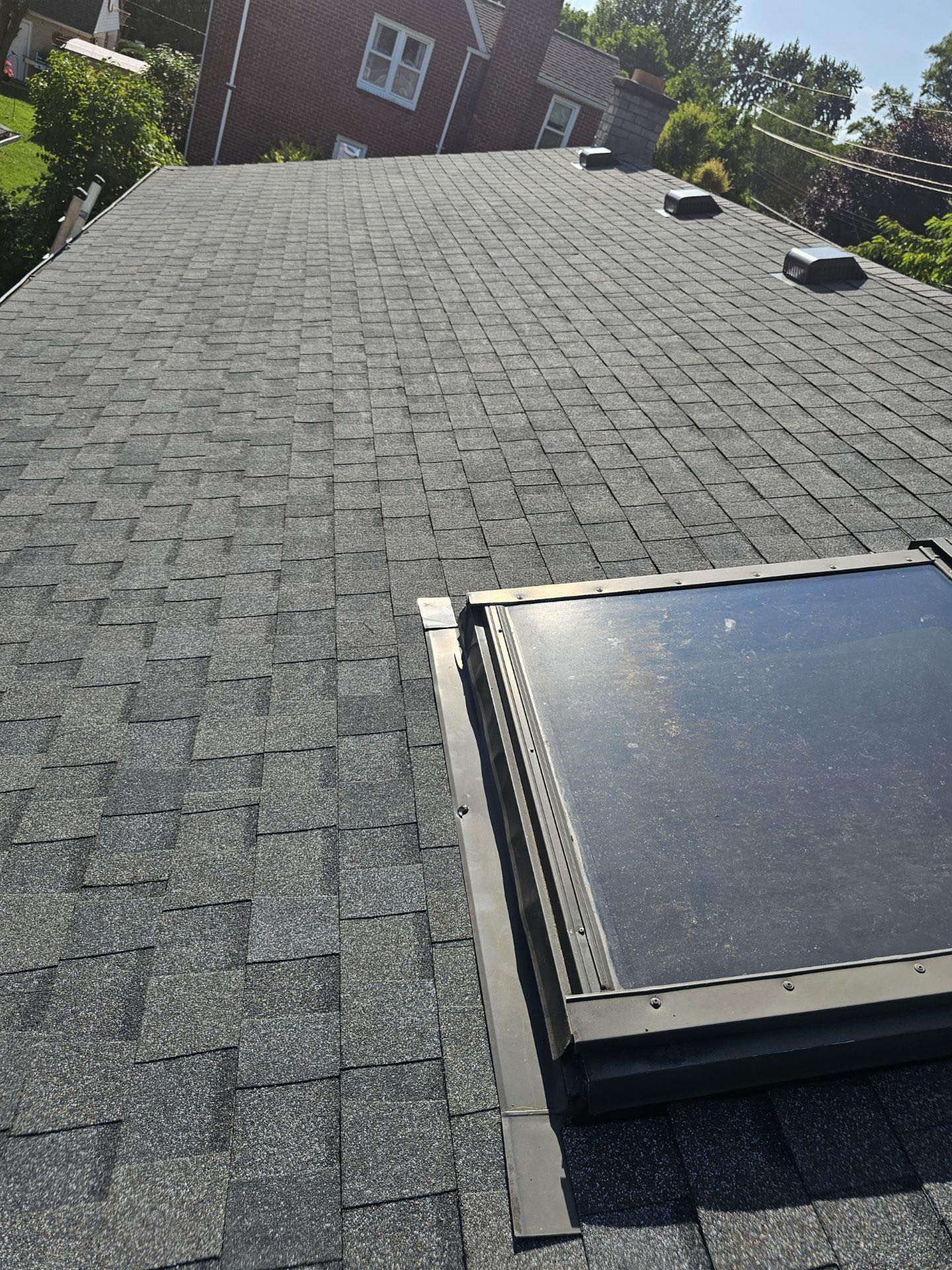
For those residing in cold climates, asphalt shingles often prove to be an ideal choice. Known for their cost-effectiveness and durability, these shingles can be fortified for better insulation. Metal roofing is another robust option due to its strength and ability to shed snow easily. Additionally, they reflect sunlight, contributing to energy savings. Asphalt and metal both offer a great mix of durability and affordability, making them viable for areas experiencing harsh winters.
In contrast, roofing materials ideal for hot and arid climates need to focus on cooling efficiency. Clay tiles are popular in such regions due to their natural ability to allow air circulation beneath and their thermal resistance. Moreover, their reflective properties help in reducing indoor temperatures. Concrete tiles offer similar benefits and enhance insulation, making these options both energy-efficient and environmentally friendly.
For areas frequently hit by heavy rains and humidity, the key is moisture resistance. Slate roofing can be a formidable choice in such conditions. Not only is it exceptionally durable, but it also provides excellent water resistance. Moreover, its natural look enhances the aesthetics of any structure. In humid environments, proper insulation is also paramount to prevent mold growth, so pairing suitable underlayment with your roofing material is critical.
Wind-prone regions demand highly wind-resistant solutions. Strategically, materials that offer superior anchoring and fewer seams are more desirable. Metal roofing once again shines in these scenarios, as it is lightweight yet incredibly sturdy. Similarly, synthetic roofing materials, designed to mimic traditional ones such as slate or wood, offer increased resistance to wind uplift and other impacts.
In making your decision, consider both short-term practicality and long-term benefits. It's not only about surviving the next storm or summer but ensuring your roof stands the test of time. Regular maintenance and choosing high-quality installation services from reputable companies, like Contractors Roofing, are just as important as the material choice itself.
In conclusion, understanding how climate influences roofing materials will guide you to the right decision. It's essential to balance your budget with the climate challenges you face. Whether you opt for asphalt shingles, clay tiles, or another material, ensure your choice aligns with the regional weather conditions. With the right materials and professional installation, your roof will not only protect your home but also enhance its value for years to come. Contact Contractors Roofing today for personalized advice tailored to your unique needs and location.
/filters:no_upscale()/filters:format(webp)/media/48069be5-62a6-4532-8dd7-8b5d1f1029cc.jpeg)